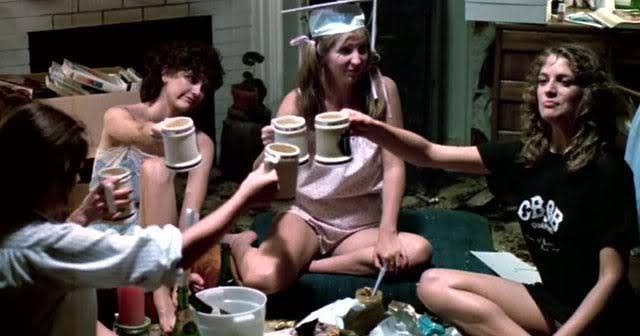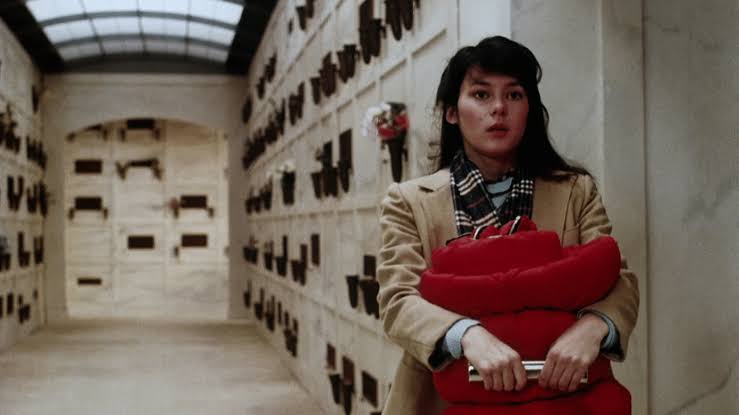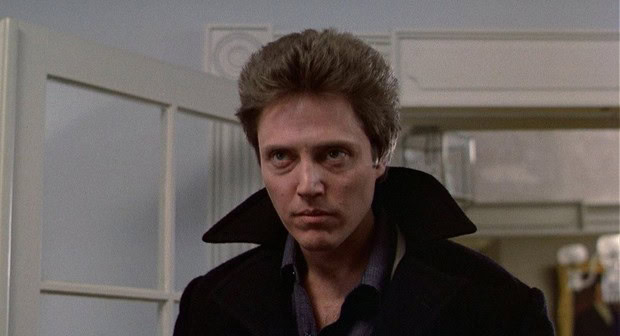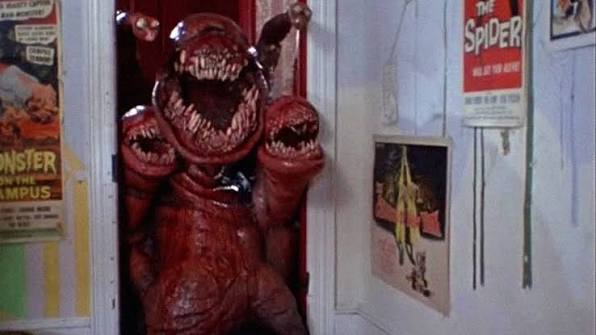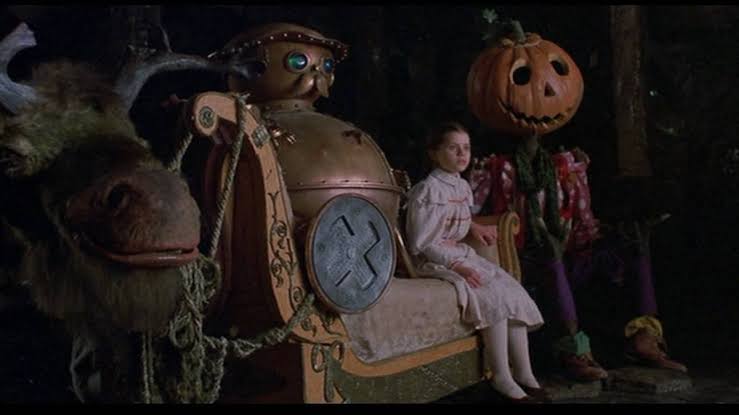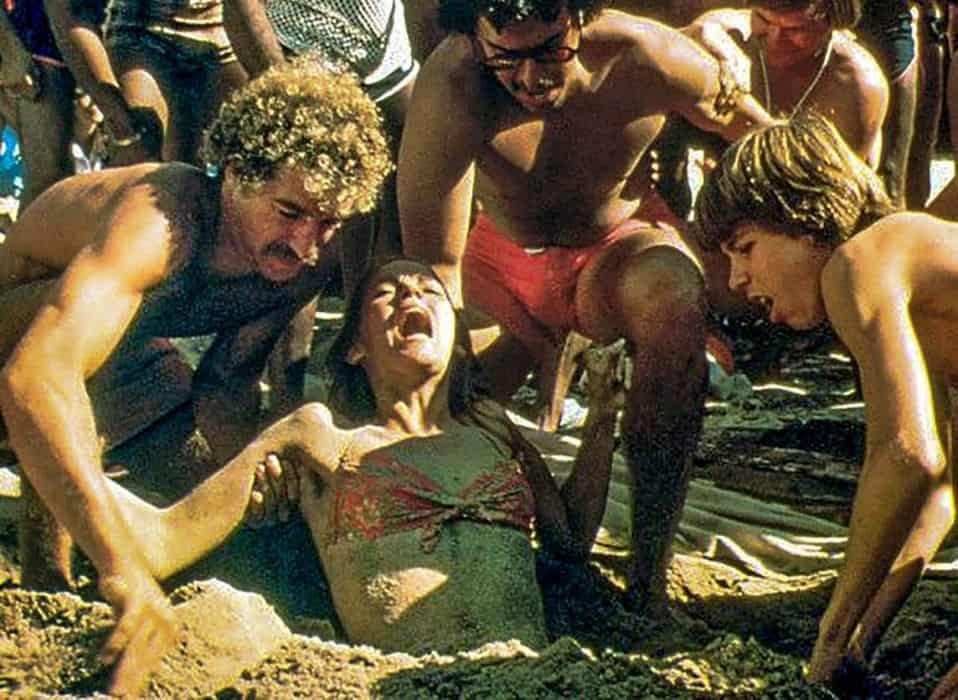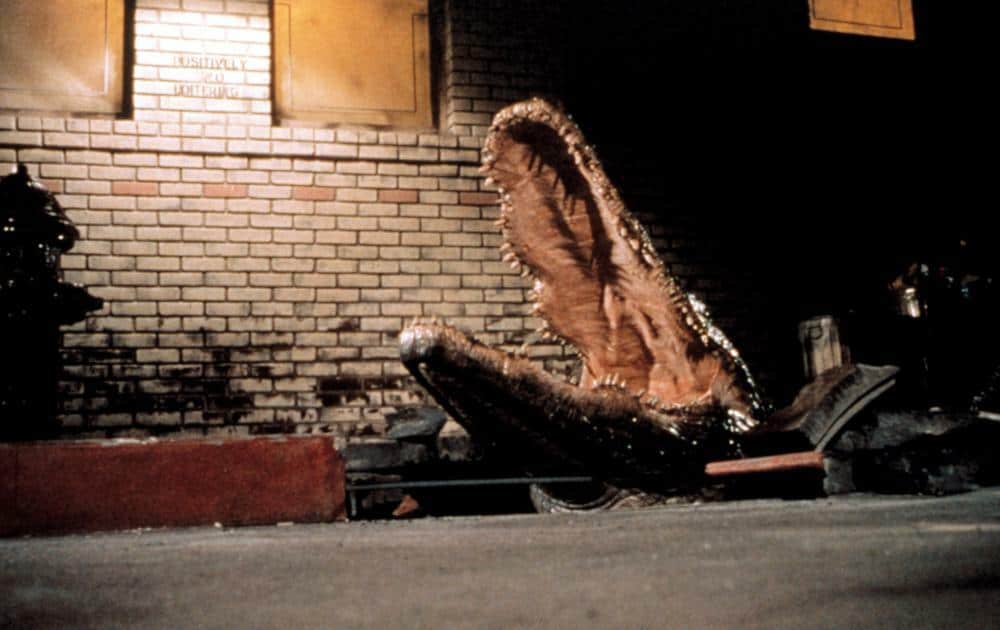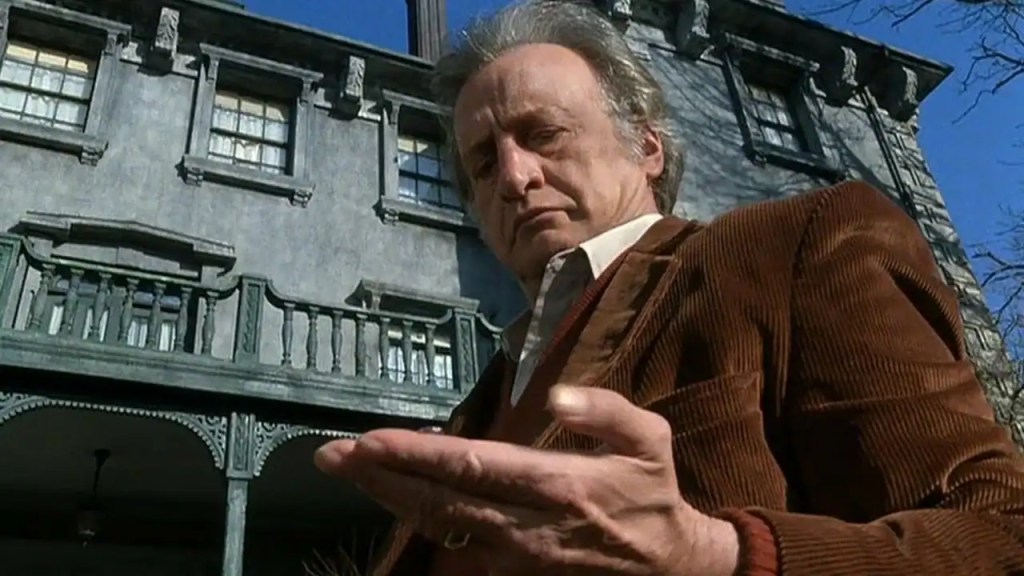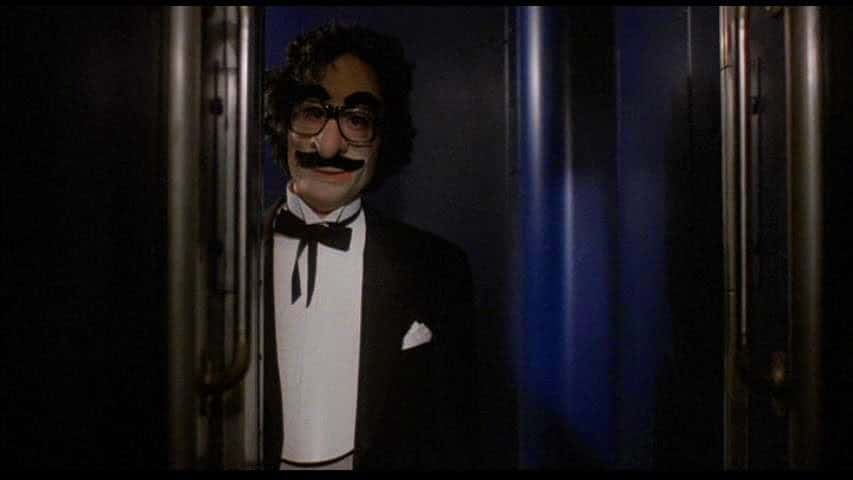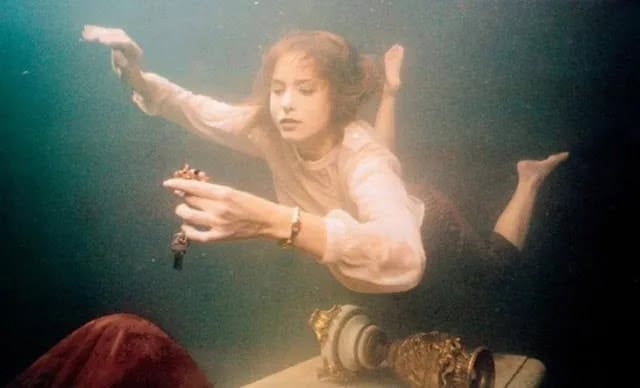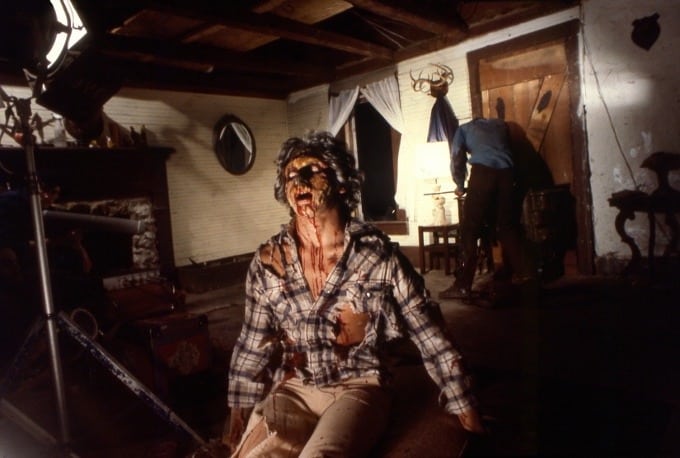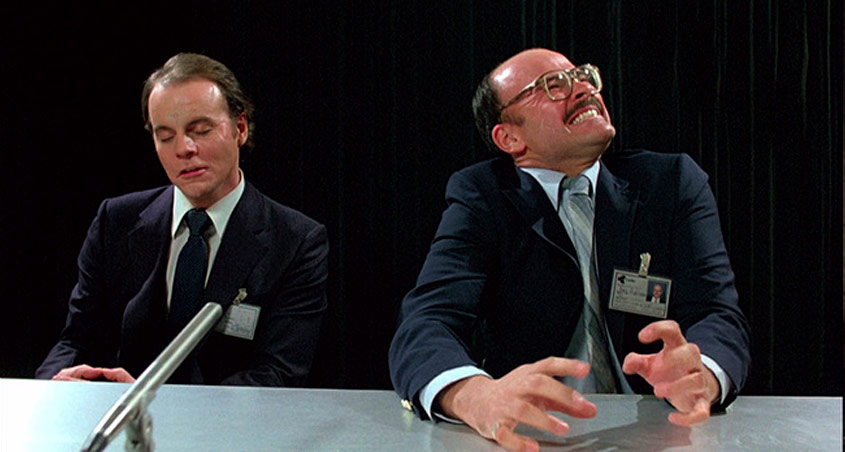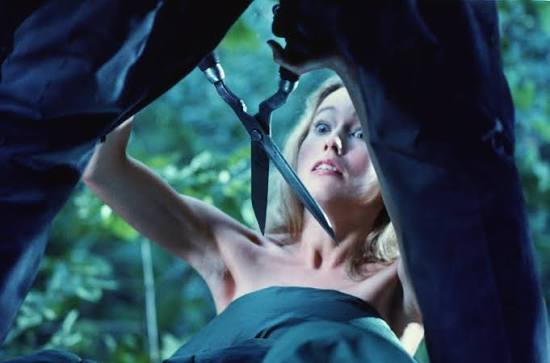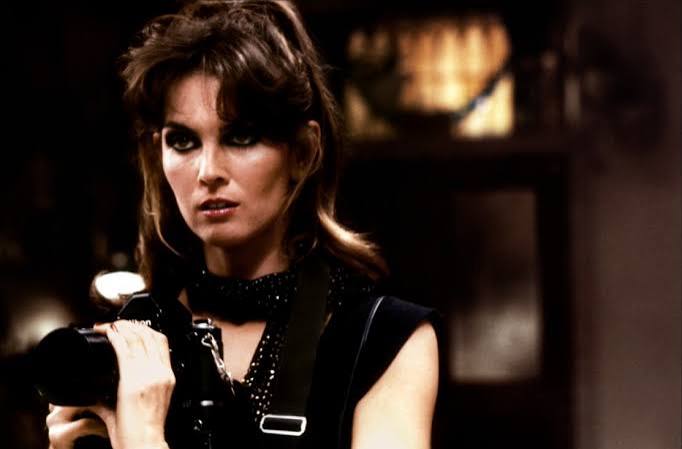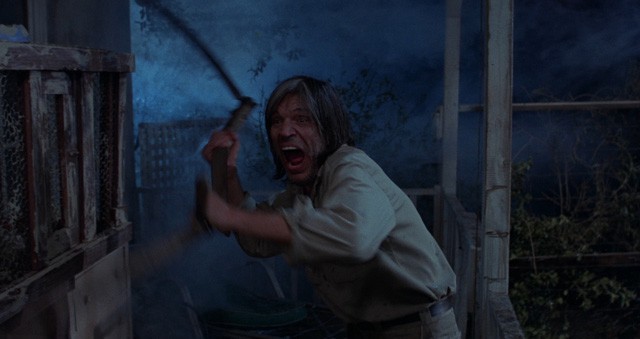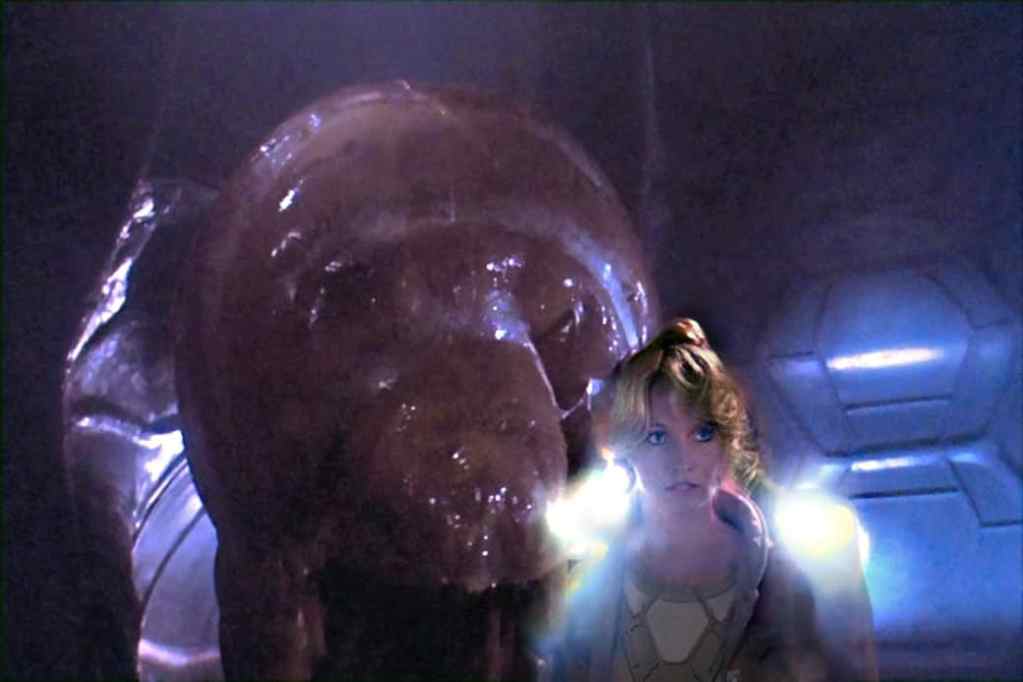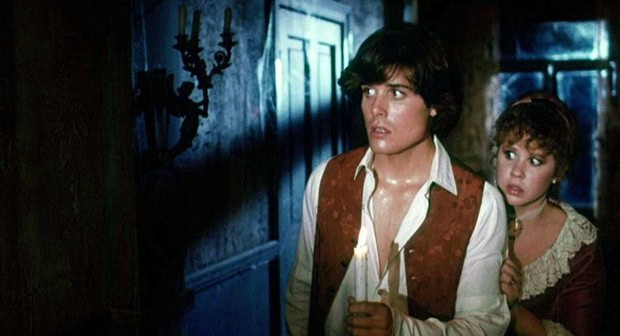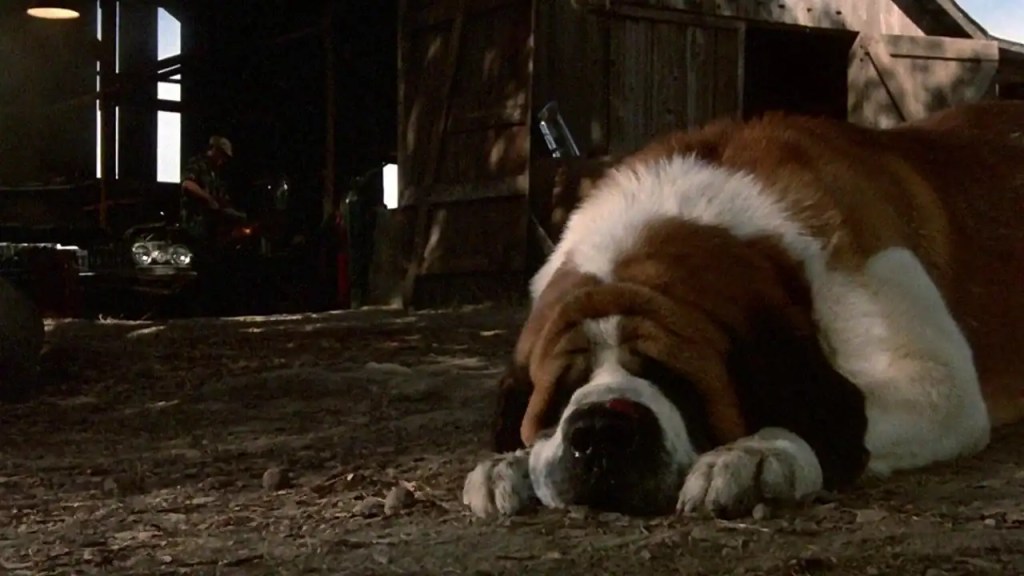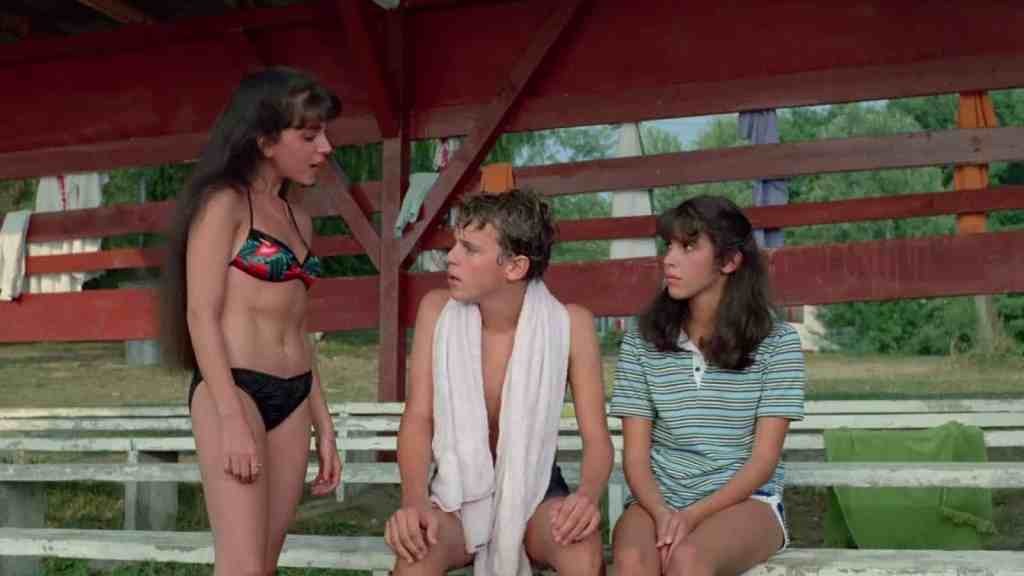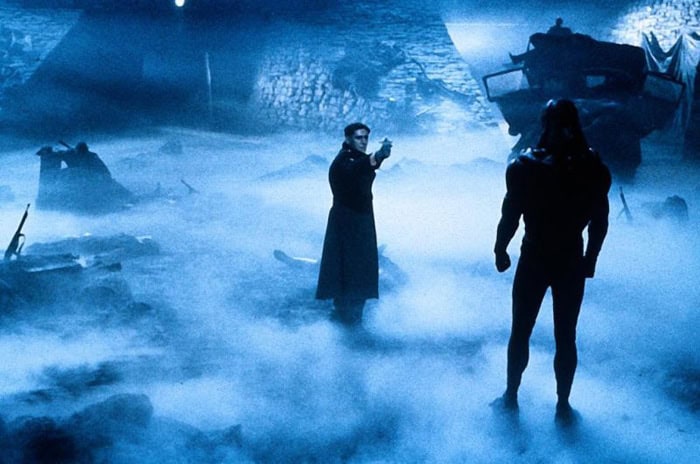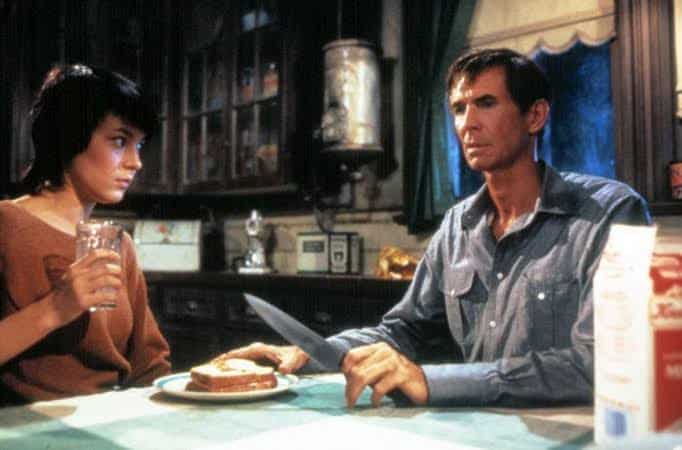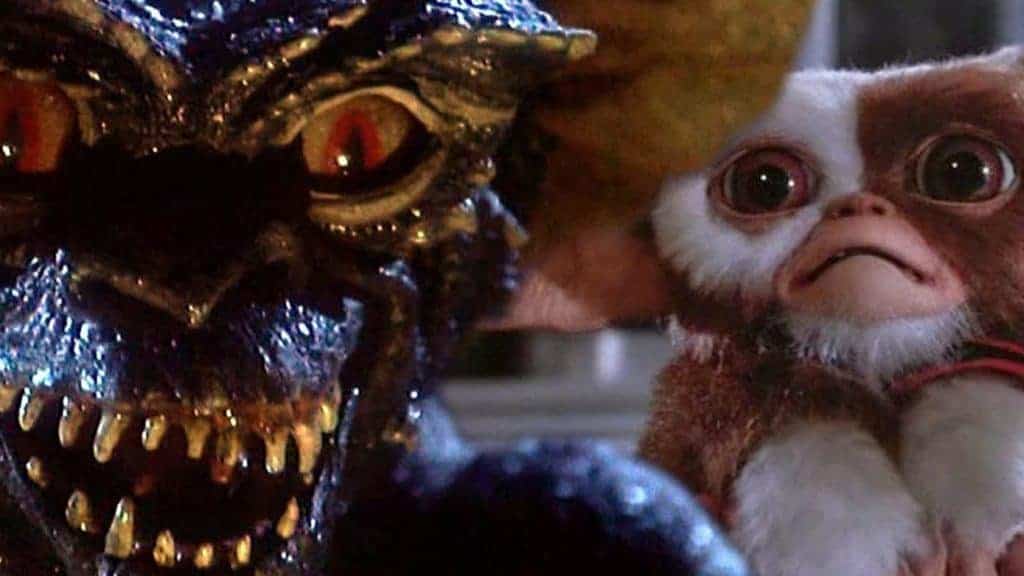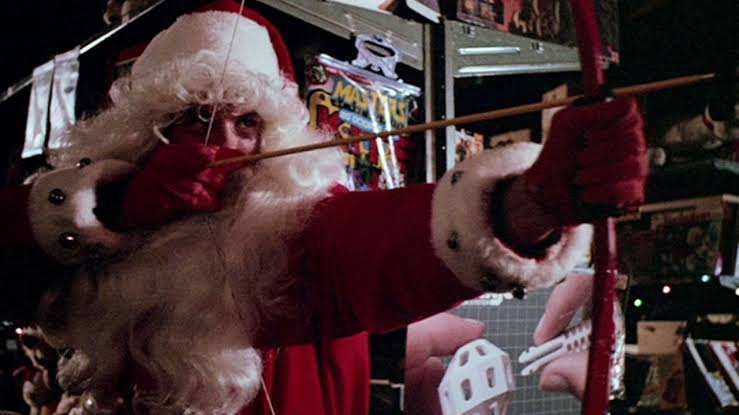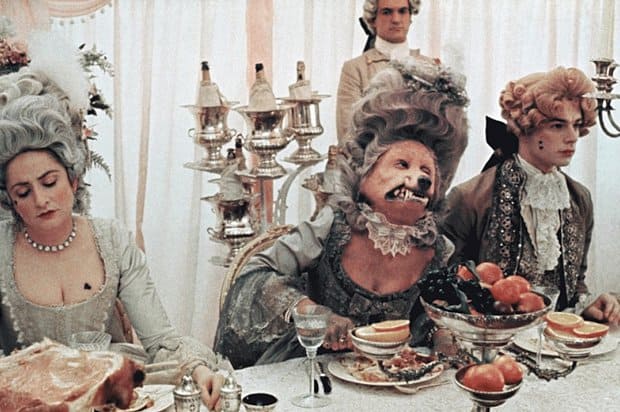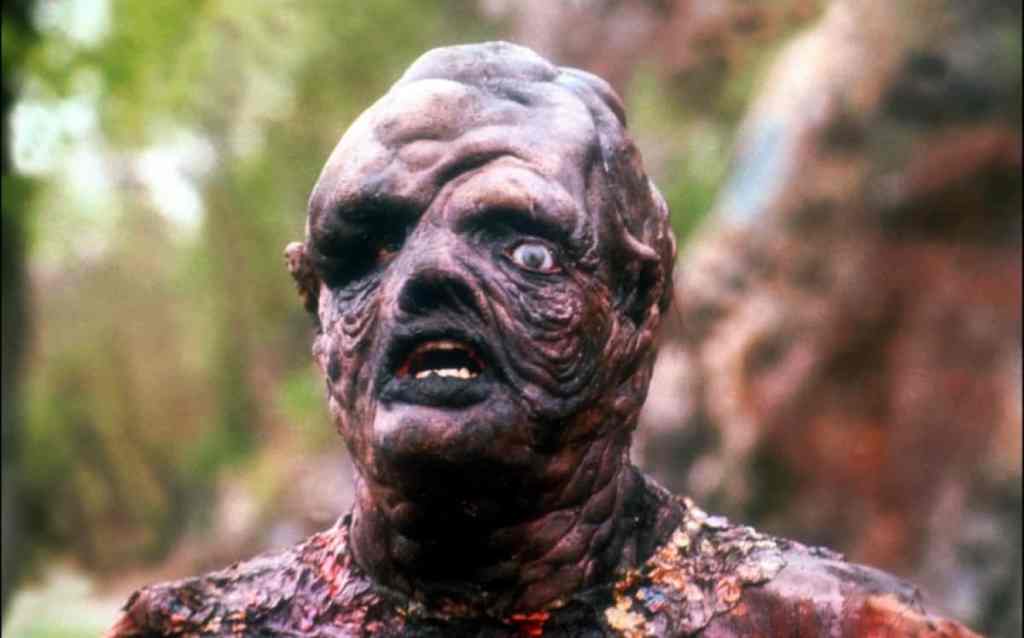


For many fans, the early eighties is their favorite period of horror movies. It marks the peak of slasher and werewolf movies and the dawn of franchise horror. B-Movies were moving from the drive-in and sleazy, dilapidated downtown theaters, and were now coming to your home, by way of the VHS player. For Gen X, this is the formative period for horror, which includes all of us here at The Scariest Things. It also represents the re-introduction of heavy-handed censorship. Welcome to the early eighties, and enjoy Episode 215 as The Scariest Things mines this iconic period for hidden horror treasures.
Though many consider this era formative for horror, it was actually a transitional time. Movies were beginning to come to the home. Whether it was on Showtime, HBO, or that new contraption, the VHS player, R-rated content was now available in homes across America. It coincided with the rampant success of a couple of prominent movies.
The Peak of Slasher films:
Halloween proved that a slasher movie could draw a huge audience, as we discussed in our review of the Late Seventies Movies in Episode 213. Many tried to emulate it, and though most couldn’t match the cinematic skill of John Carpenter’s masterpiece, they still made bank. Friday the 13th proved that model could be repeated… over and over again. Summer camp became the du jour location for getting stabbed to death. So many other films followed suit that it became a sub-trope in its own right.
The other lesson that opportunistic filmmakers learned was that pretty teenage girls getting chased by a knife-wielding maniac was both in bounds and that people would pay to see it happen. The grimier grindhouse fare of Last House on the Left and The Texas Chainsaw Massacre were tough to follow up on, because theaters were reluctant to put something that grotesque in the theaters. Halloween changed that menu, and once the movie channels demanded cheap late-night content that they didn’t have to pay the studios lots of money for, the slasher genre became very attractive.
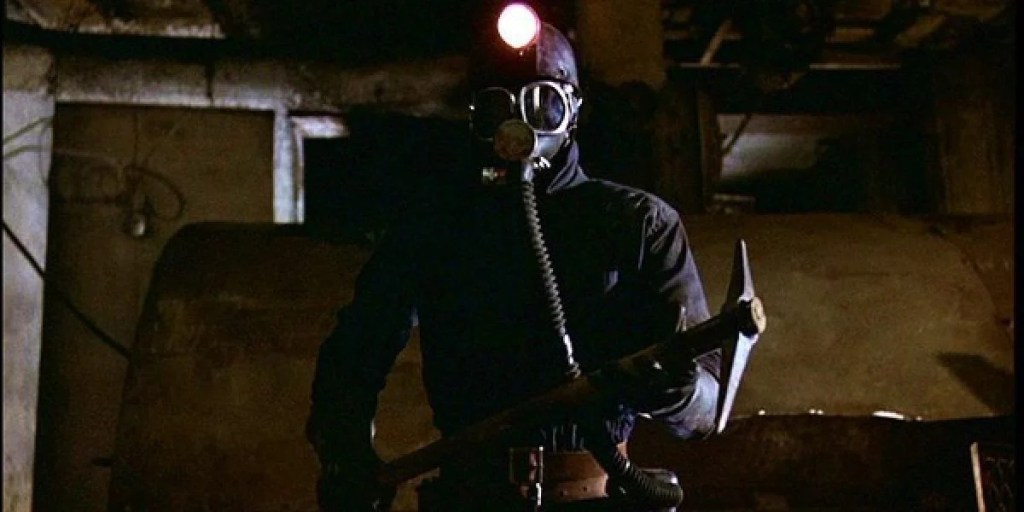
Naturally, the spin-off films understood the recipe. Use a Holiday or an event. Happy Birthday to Me. My Bloody Valentine. Prom Night. Silent Night Deadly Night. Also, any place where young women would congregate would work well. How about a sorority house? Sleepovers work well too. There seemed to be a bottomless well, especially once it became clear the sequels would also make money. Or, at least that’s what they initially thought. Only a few of these movies created lasting franchises, as the genre wore out later in the decade.

The Alien Copycats:
In 1979, Alien proved that you could turn a B-Movie standard, being trapped with a monster, into a bankable film if supported with a good budget, a visionary director, and talented actors. Curiously, the big studios didn’t learn that lesson. Opportunistic independent filmmakers would try. Roger Corman released Galaxy of Terror, a sleazier, confusing, budget take on Alien, which gave James Cameron his first big break. Other films like Xtro, Creature, The Deadly Spawn, Forbidden World, and Inseminoid tried to mimic that success on tight budgets and with less production talent. Your mileage may vary with those films. (You’ll find out one that we enjoyed in the Podcast.)
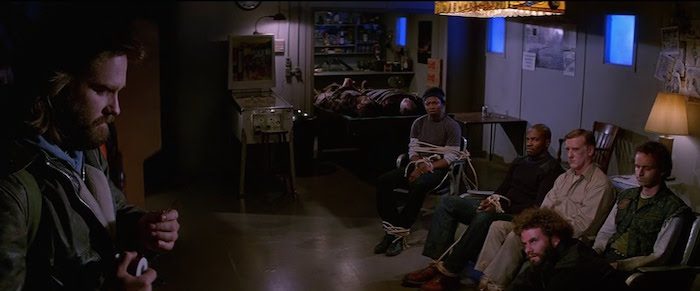
One big studio attempt succeeded brilliantly as an artistic effort, but was a total dud at the box office. The Thing. My favorite movie of all time, and the #1 movie on The Scariest Things Top 500 movies. It had all the ingredients; the production value was off the charts. Rob Bottin’s makeup effects are still the gold standard for gory body horror. The acting was superior for a genre film, with theater-veteran character actors who trained and rehearsed together to establish motives and bonds. John Carpenter spun a tight, paranoid tale that eventually landed in the AFI vaults. But in 1982, it was too much, and critics and fans shunned it. It would be a while before another major science fiction horror film would be attempted.
That didn’t spook ambitious producers, though. Later in the decade, the monster-in-a-ship model would go underwater in several films. And, of course, Cameron, who learned the craft in Galaxy of Terror, would pick up the baton in 1986 for the Alien sequel. Fans still enjoy truly scary monster movies.
Werewolf Mania:
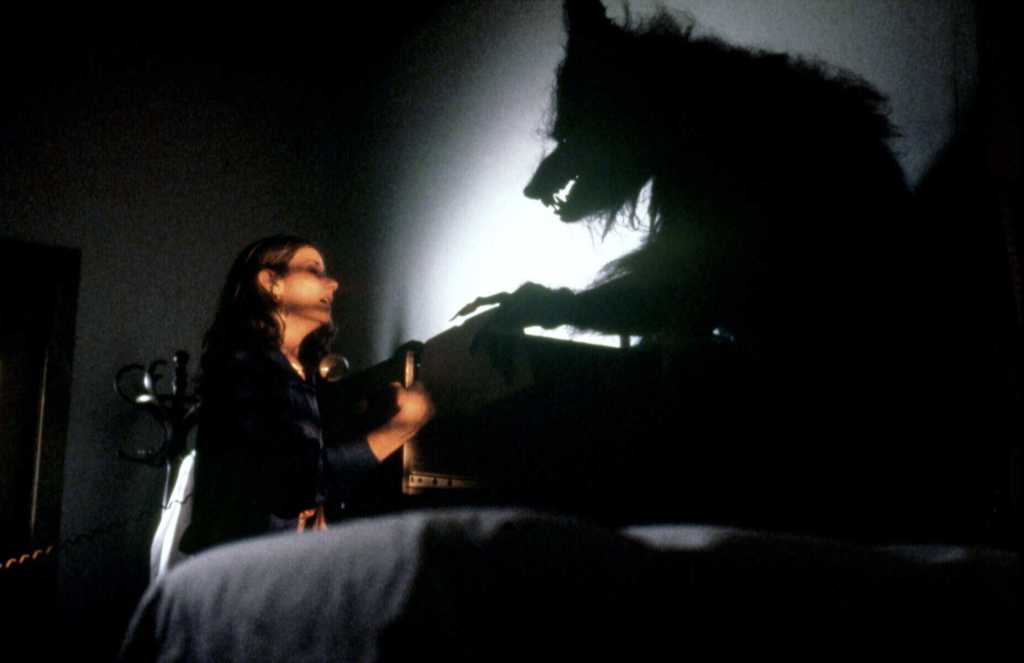
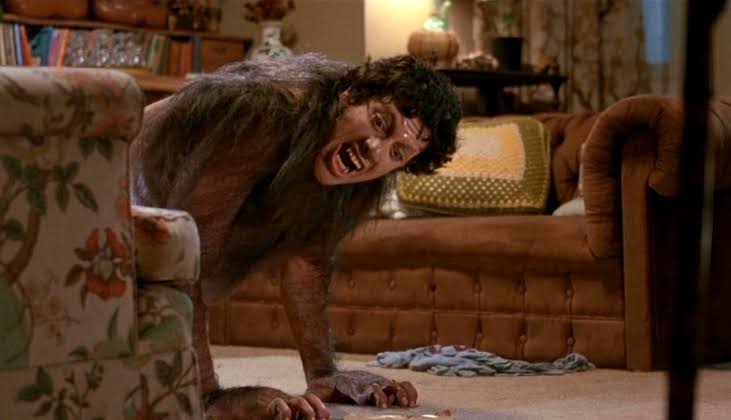
The early eighties was the golden age for werewolf films. In one of those curious Hollywood synergies, once one studio decided to start on a werewolf project, so did a number of others. A bit of groupthink, whether it was copycatting or honest competition of who could top the other. The practical effects wizardry was at its zenith. One of the best ways to show your makeup prowess was with a werewolf film. The tradition dates back to Jack Pierce’s legendary transformation of Lon Chaney Jr. into The Wolf Man, which in 1941 was pure magic.
By the eighties, pneumatics and advanced latex materials enabled wild transformations that made Pierce’s work look quaint. Rick Baker set the standard with An American Werewolf in London. Rob Bottin paired his expertise from The Thing in his grisly work for The Howling. One of the more disturbing transformations came from Christopher Tucker’s work on The Company of Wolves. Rounding out “The Year of the Wolf” was the similarly themed Wolfen, with featured actual wolves rather than lycanthropes. Silver Bullet would put a cap on this brief flurry of werewolf movies in 1985, though you could also point to the comedy, Teen Wolf also in 1985.
We might never see another werewolf explosion as we did in the early eighties, but with the combination of the Universal offering Wolf-Man and Robert Egger’s Werewulf, who knows? Maybe there’s a werwolfaissance on the horizon.

Censorship in the Eighties
The Reagan years ushered in a cultural attitude shift towards a more traditional, conservative ethic. The shifting logistics of horror movie media alarmed many conservatives and made many parent groups uneasy on both sides of the Atlantic. It didn’t help that the slasher movie movement was deliberately depraved. R-rated content was still finding its boundaries, and X-rated movies had entirely transitioned to pornography; the censors began to push back on the limits of gore, violence, and misogyny in movies. Sleazy ran up against a cultural bulwark.
It was, however, a great time to be a teenage horror movie fan, if you had access to a permissive parent or had a friend whose parents were indifferent to horror content. Better yet, if you had an older family member who would go to the video store with you to go pick out horror movies, that was a gold mine. But the morality police were wise to that, and eventually the MPAA started making examples of some films. If you want to get an inside perspective of what that was like, take a listen to our interview with My Bloody Valentine’s director George Mihalka. It’s an excellent description of the process’s inconsistency.
In the UK, it wasn’t so much an editing battle, as the British government couldn’t enforce film editing. Instead, it introduced Video Nasty legislation, effectively banning movies outright from being distributed or viewed in the country. As culture has shifted to more lenient moral standards, many of these movies are now available to watch across the pond, but a few of the most explicit films remain on the list.
Episode 215: Horror History – The Early Eighties 1980-1984 (and one 1985 film!)
So, with that history lesson delivered, here is our representative list of early eighties horror films. We tried to find films we haven’t talked about, or even films new to us. There are lots of films from this era, so there will certainly be some obscure gems for you to go find. Enjoy Episode 215.
Podcast: Play in new window | Download | Embed
Notable Horror Movies 1980-1984: