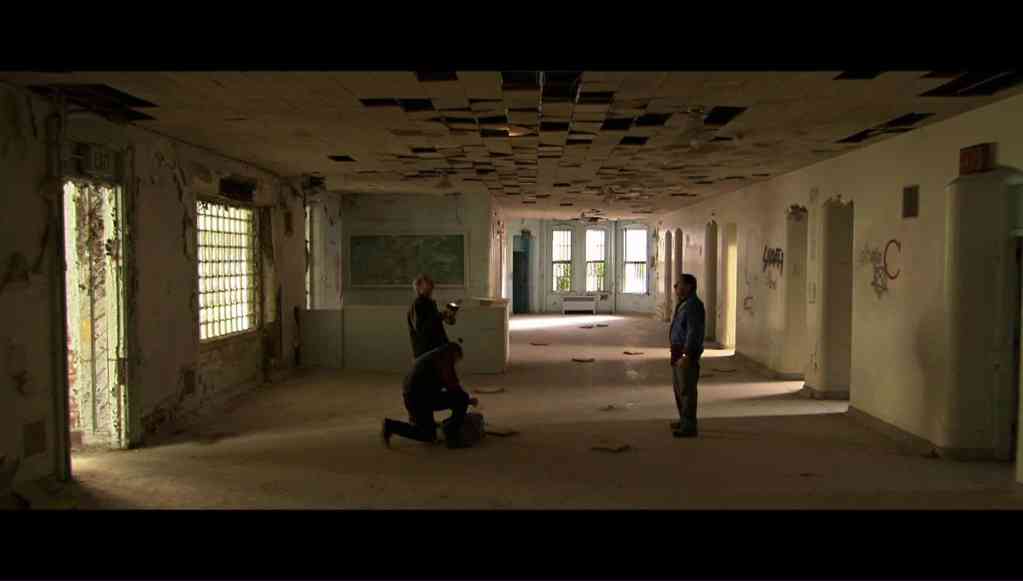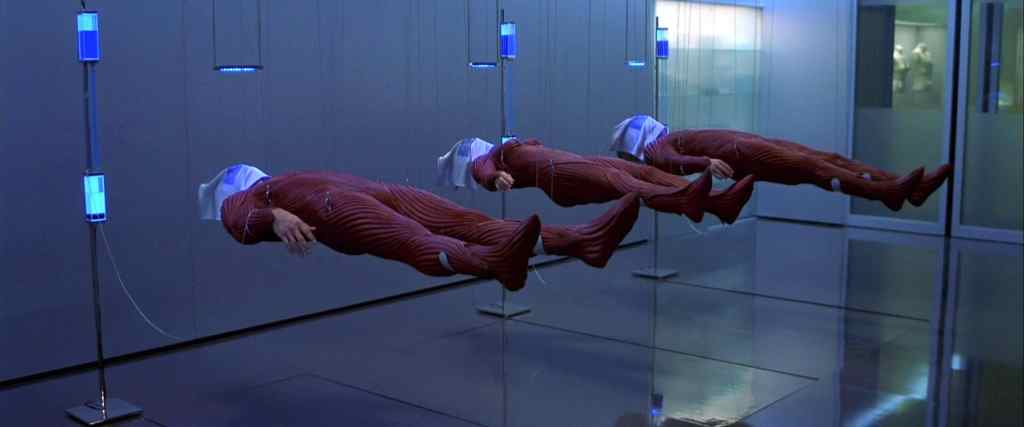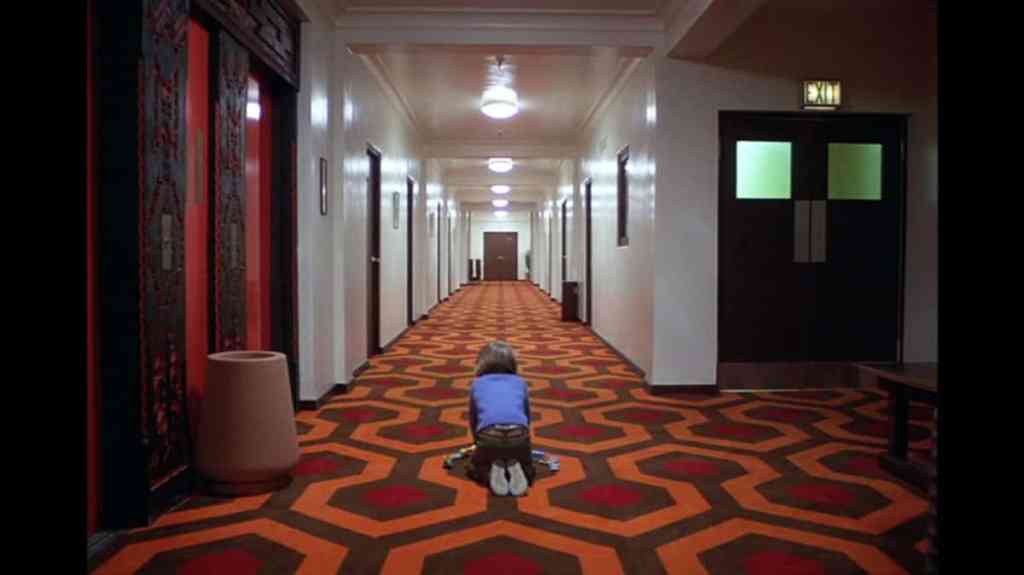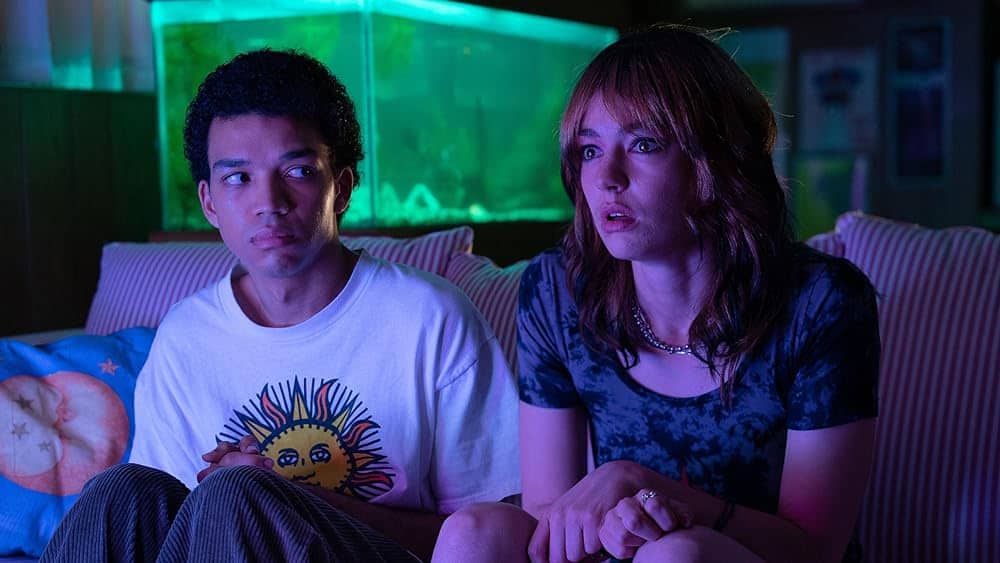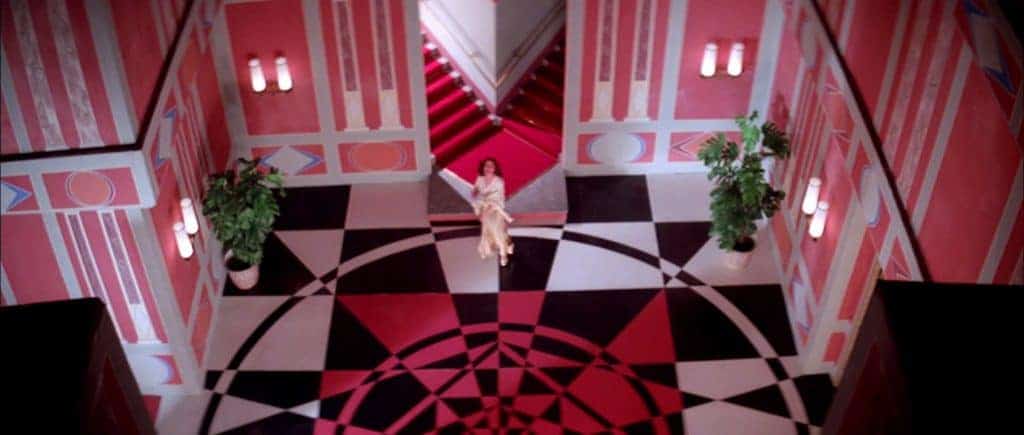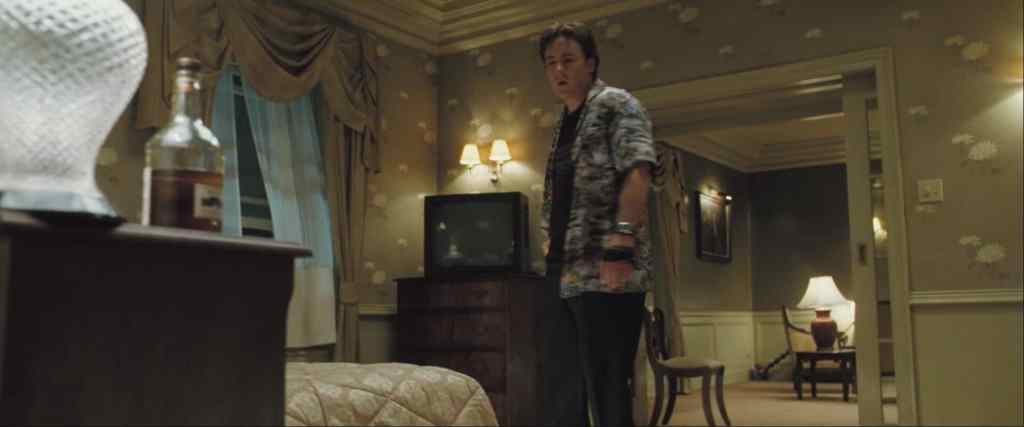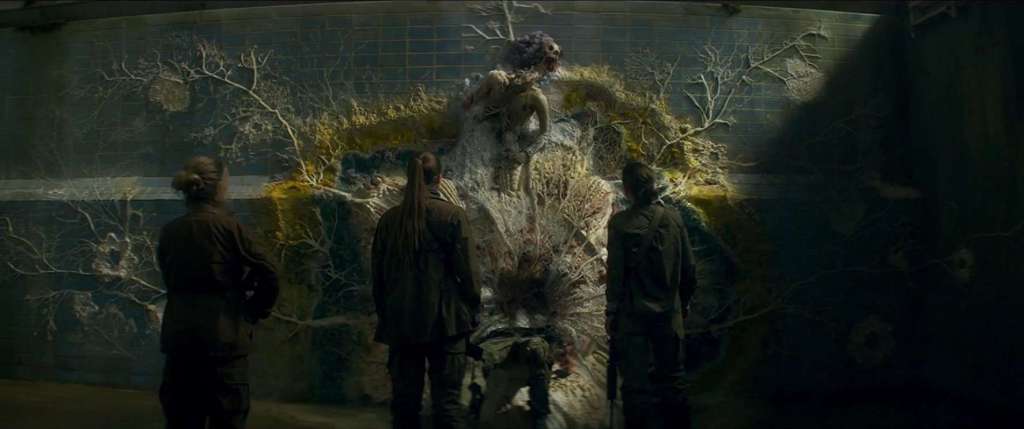


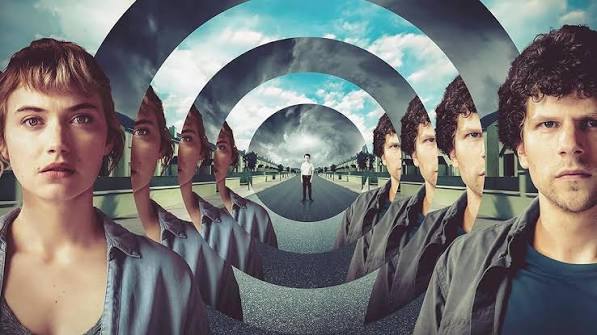
Who would have guessed that the hot trend in the 2020s would be liminal space horror? Always visually arresting, but often slow, bleak, and depressing, this subgenre has become an out-of-nowhere genre favorite thanks to the wild success of Backrooms. In addition to smashing the box office with over $360 million in earnings, it also attracted young moviegoers, which runs counter to what most marketing experts would expect younger audiences to flock to. The Scariest Things took some time to figure out why this unlikely trend has become so popular in Episode 216: Liminal Horror.
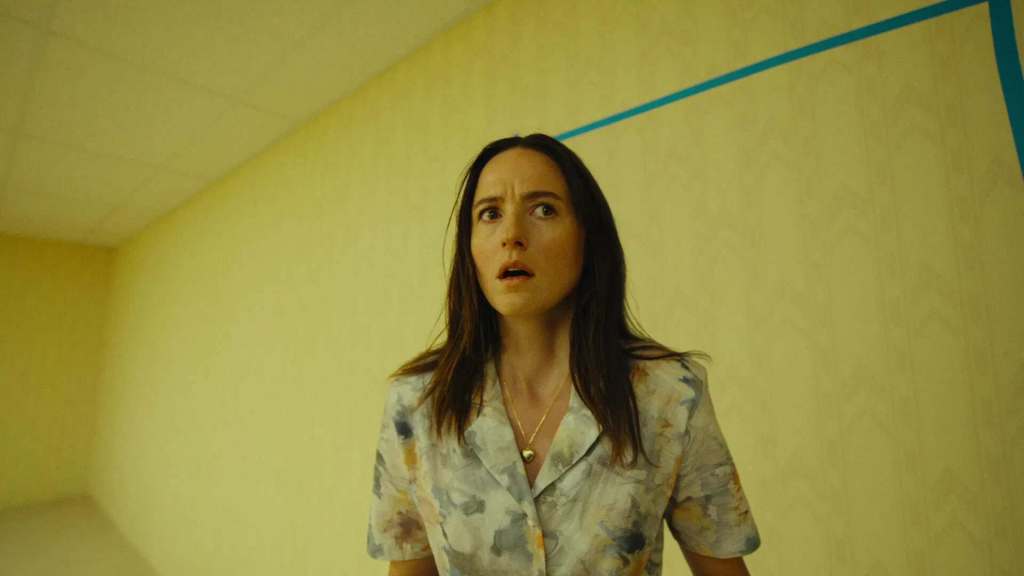
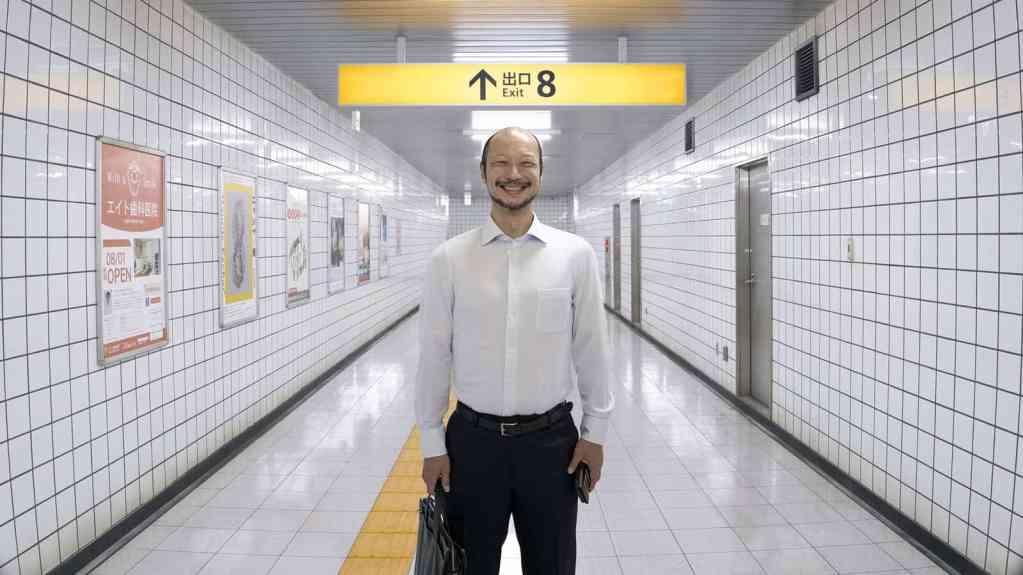
Slow burn, or as Mike Campbell will suggest: No burn. Liminal horror takes its time and forces you to stare into the corners of the screen. If you watch long enough, maybe something will happen. Then again, maybe not. That’s the gamble of liminal horror. It also makes jump scares that much more rewarding when they do get sprung. This trope bathes in the uncanny valley. Unsettling. Unnerving. Something just a touch off, creating an atmosphere of unease.
This can be with the way people look, or the geometry of the room, or the color of the sky. In this way, liminal horror can be frustrating. And yet, fascinating. Many films that employ this style feel like dreams or nightmares. Characters question the reality of their situation, trapped in a personal hell.
Definition: The Horror HQ has a terrific definition.
“Liminal horror taps into the eerie feeling evoked by “in-between” spaces, unsettling environments that seem familiar yet uncomfortably off-kilter. Unlike traditional horror, which often relies on monsters, jump scares, or gore, liminal horror creates a more insidious type of fear, drawing on subtle, deeply psychological cues to unnerve and disorient. Rooted in the concept of liminality, this form of horror brings us to places where boundaries blur—between one time, space, or state of being and another—invoking a dread that is both existential and mysterious. “
Liminal Spaces in Design
As an architect, I appreciate how the built environment can confuse, shock, or unsettle someone’s experience. The works of MC Escher, Giovanni Piranesi, and Robert Eisenman all confronted viewers with challenging environments. These designers delighted in the visual stress these deliberately agitating fantastical places created.

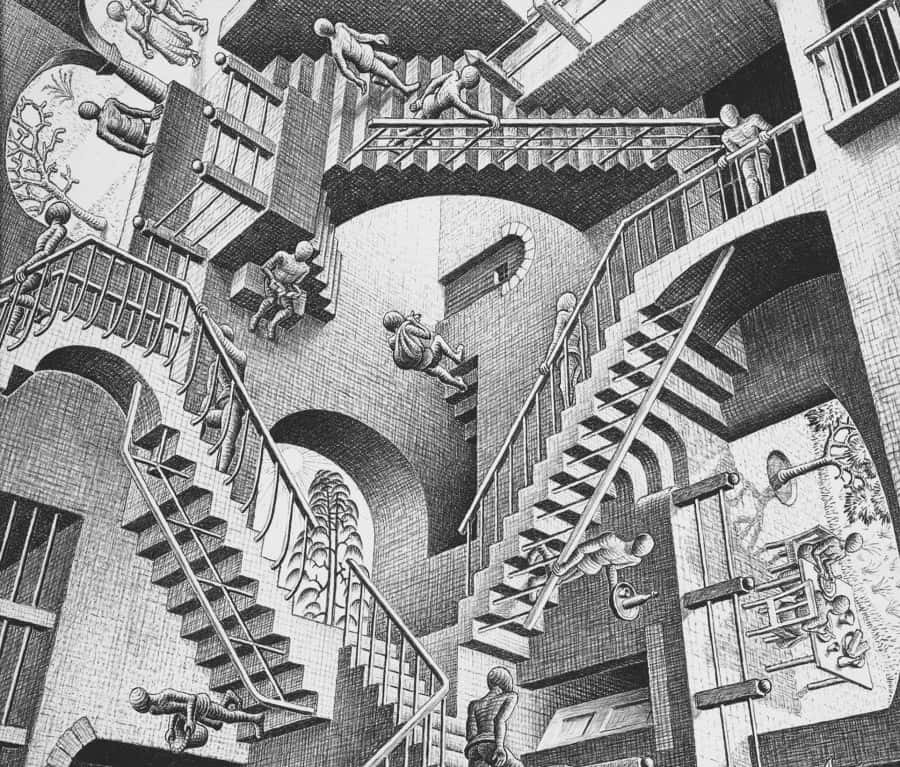
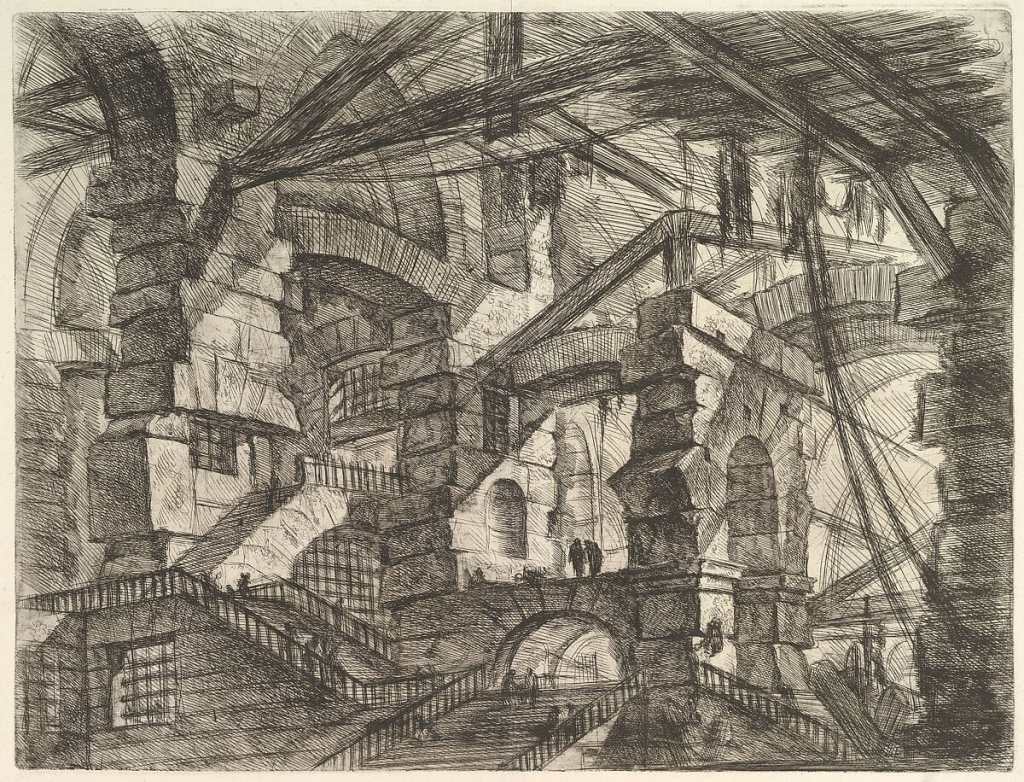
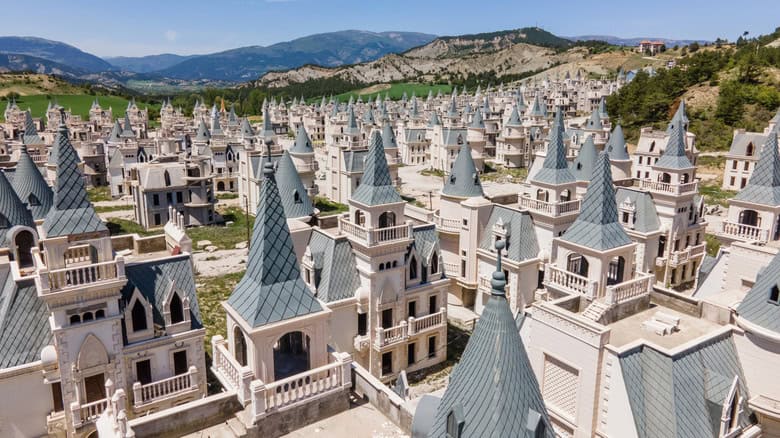
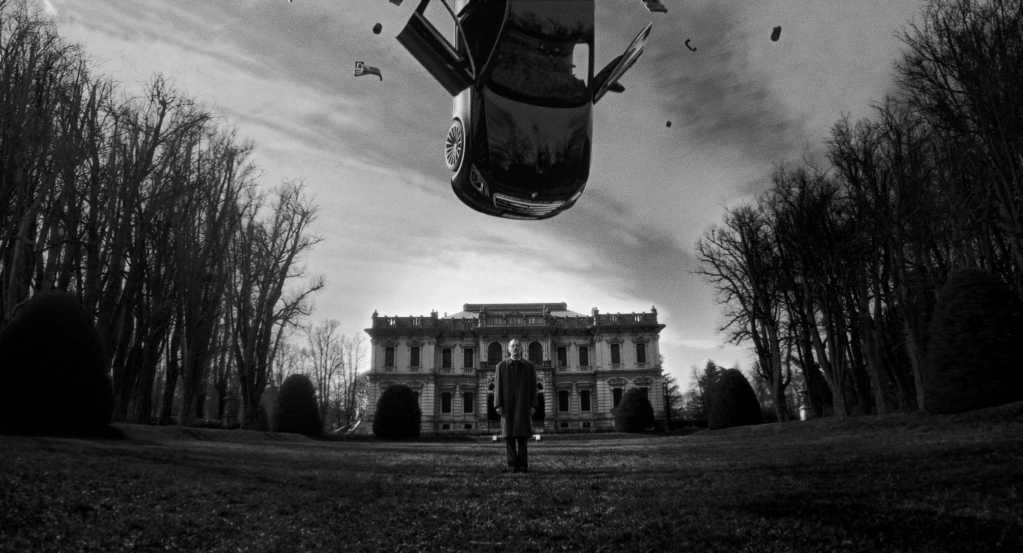
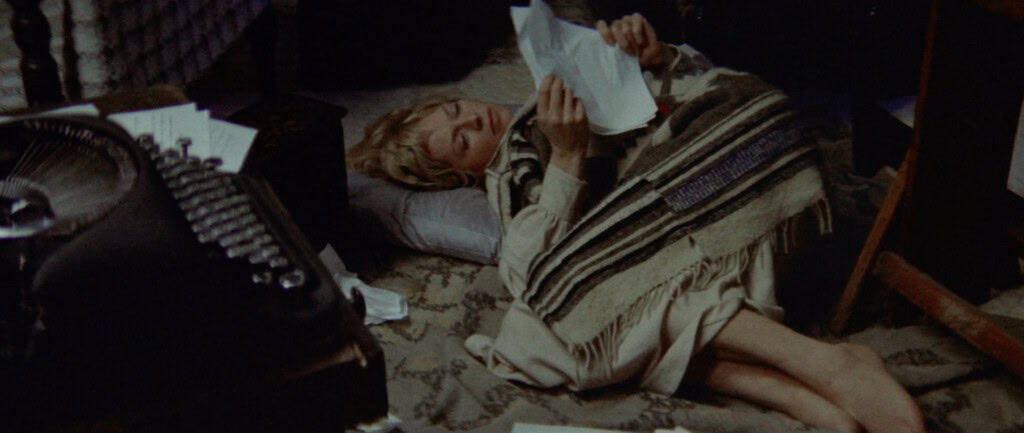
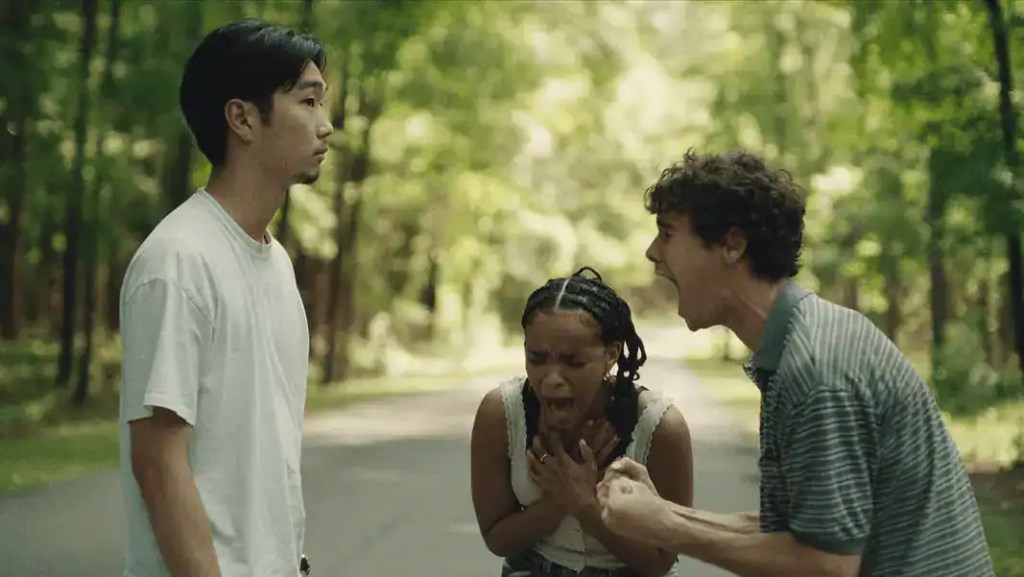
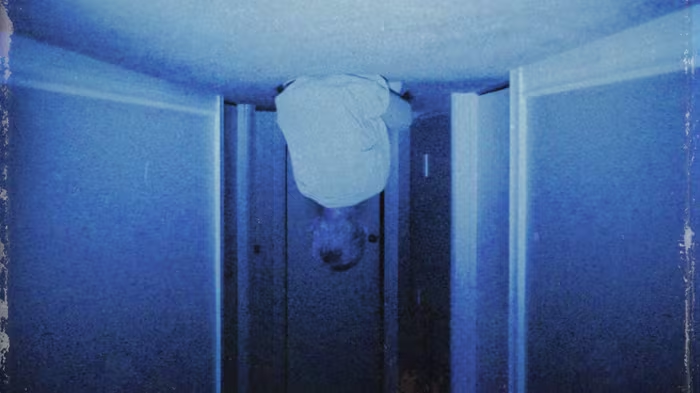
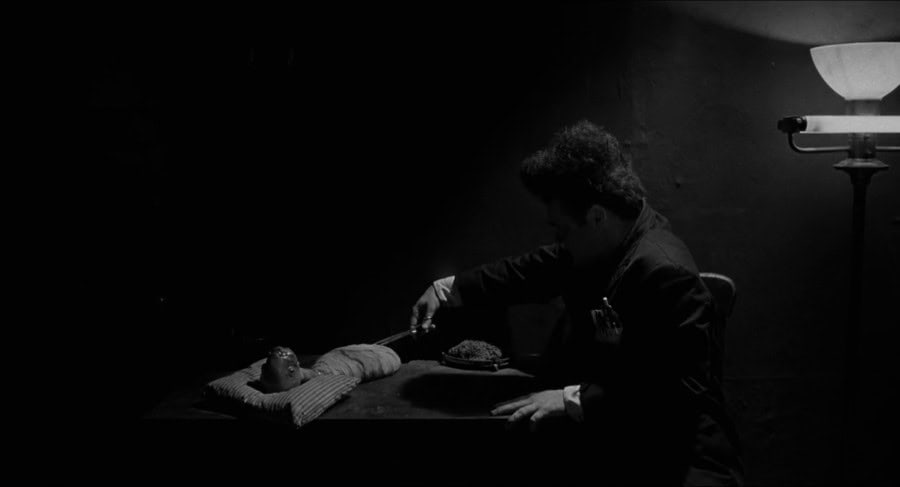
Some of the greatest film auteurs have dabbled in liminal space. Stanley Kubrick. Roman Polanski. Robert Altman. David Lynch. And yet liminal horror has launched the careers of some very young visionary directors: Alex Ullom (It Ends), Kane Parsons (Backrooms), and Kyle Edward Ball (Skinamarink) have arrived out of seemingly nowhere (which is appropriate for the trope). This is an era of A.I. and fake news accusations. Who is to believe what their own eyes are telling them?
Don’t expect copious gore or big action sequences in these films. These films also tend to be light on dialogue. The characters often keep their distance from each other. Perhaps liminal horror was born out of the pandemic, when we were all kept apart from each other. Don’t get too close. Dangerous! What these films may lack in adrenaline and bravado is made up for in emotional intelligence. These movies are designed to spark conversations afterward over a cup of coffee.
Podcast Episode 216: Exploring Liminal Horror
Conceptually, liminal horror is new to the scene. It’s a buzzy topic, but when you do a bit of research, there are a number of films that fit into this trope, though the word liminal hasn’t been applied to these films until recently.
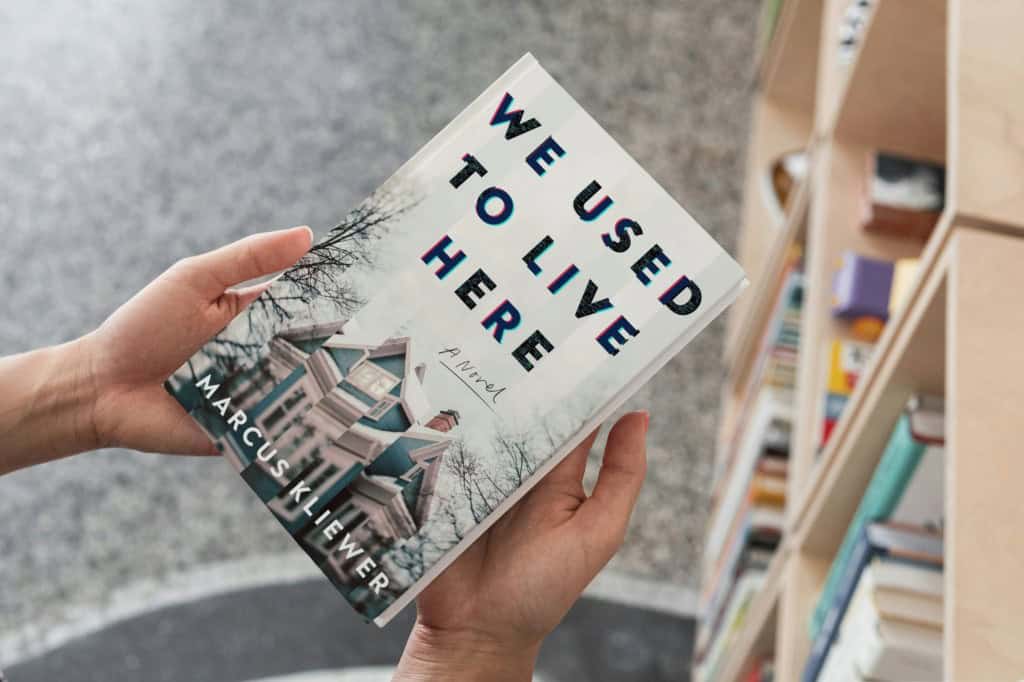
Liminal Horror isn’t solely a film style either. Liz Williams brings out two very interesting books to consider when thinking liminally. Check out The House of Leaves, a stunning composition that will force you out of your reading comfort zone.
Podcast: Play in new window | Download | Embed





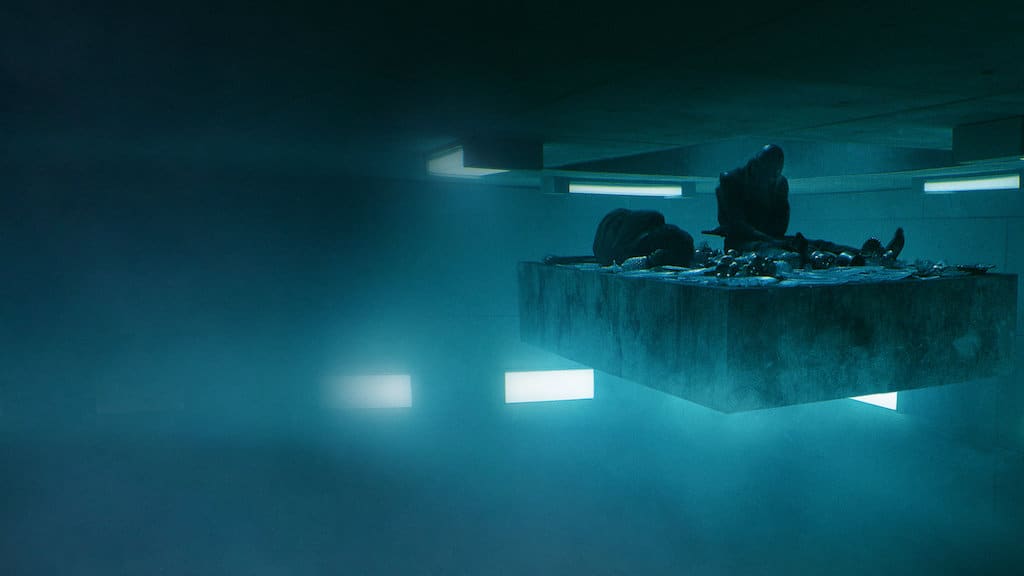
The Platform (2019)